
COVID-19 is caused by the SARS-CoV-2 infection. COVID-19 can cause mellow to extreme respiratory sickness, counting passing. The best preventive measures incorporate getting inoculated, wearing a cover amid times of tall transmission, remaining 6 feet separated, washing hands regularly and maintaining a strategic distance from wiped out people.
What Is Coronavirus?
Coronaviruses are a family of infections that can cause respiratory sickness in people. They are called “corona” since of crown-like spikes on the surface of the infection. Extreme intense respiratory disorder (SARS), Center East respiratory disorder (MERS) and the common cold are cases of coronaviruses that cause sickness in humans.
The unused strain of coronavirus — SARS-CoV-2 — was to begin with detailed in Wuhan, China in December 2019. It has since spread to each nation around the world.
Where Do Coronaviruses Come From?
Coronaviruses are frequently found in bats, cats and camels. The infections live in but don’t taint the creatures. In some cases these infections at that point spread to diverse creature species. The infections may alter (transform) as they exchange to other species. In the long run, the infection can bounce from creature species and start to contaminate people. In the case of SARS-CoV-19, the to begin with individuals tainted are thought to have contracted the infection at a nourishment advertise that sold meat, angle and live animals.
How Do You Get COVID-19?
SARS-CoV-2, the infection that causes COVID-19, enters your body through your mouth, nose or eyes (specifically from the airborne beads or from the exchange of the infection from your hands to your confront). It at that point voyages to the back of your nasal entries and mucous film in the back of your throat. It connects to cells there, starts to duplicate and moves into lung tissue. From there, the infection can spread to other body tissues.
How Does the Modern Coronavirus (SARS-CoV-2) Spread from Individual to Person?
Coronavirus is likely spread:
- The infection voyages in respiratory beads discharged into the discuss when an contaminated individual hacks, wheezes, talks, sings or breathes close you. You may be contaminated if you breathe in these droplets.
- You can moreover get coronavirus from near contact (touching, shaking hands) with an tainted individual and at that point touching your face.
How Long Is a Individual with COVID-19 Considered Contagious?
If you have COVID-19 it can take a few days to create side effects — but you’re infectious amid this time. You are no longer infectious 10 days after your indications began.
The best way to dodge spreading COVID-19 to others is to:
- Stay 6 feet absent from others at whatever point possible.
- Wear a cloth cover that covers your mouth and nose when around others.
- Wash your hands frequently. If cleanser isn’t accessible, utilize a hand sanitizer that contains at slightest 60% alcohol.
- Avoid swarmed indoor spaces. Open windows to bring in open air discuss as much as possible.
- Stay self-isolated at domestic if you are feeling sick with indications that might be COVID-19 or have a positive test for COVID-19.
- Clean and clean as often as possible touched surfaces.
Who’s Most at Hazard for Getting COVID-19?
Persons at most prominent hazard of contracting COVID-19 incorporate those who:
- Live in or have as of late traveled to any range with continuous dynamic spread.
- Have had near contact with a individual who has a laboratory-confirmed or a suspected case of the COVID-19 infection. Near contact is characterized as being within 6 feet of an contaminated individual for a aggregate add up to of 15 minutes or more over a 24-hour period.
- Are over the age of 60 with pre-existing restorative conditions or a debilitated resistant system.
How Before Long After Getting to Be Tainted with SARS-CoV-2 Will I Create COVID-19 Symptoms?
The time between getting to be contaminated and appearing side effects (hatching period) can extend from two to 14 days. The normal time some time recently encountering indications is five days. Side effects can run in seriousness from exceptionally mellow to serious. In almost 80% of individuals, COVID-19 causes as it were gentle side effects, in spite of the fact that this may alter as variations emerge.
If I Recover from a Case of COVID-19, Can I Be Infected Again?
If you test positive for SARS-CoV-2 three months after your final positive test, it’s considered a reinfection. Some time recently the omicron variation, reinfection with SARS-CoV-2 was uncommon but possible.
Omicron (B.1.1.529) was to begin with detailed in South Africa in November 2021 and rapidly spread around the world. With numerous changes, omicron was able to avoid safe frameworks and we had more reinfections than ever before.
As the infection that causes COVID-19 proceeds to transform, reinfection remains conceivable. Inoculation — counting a booster measurements — is the best assurance against extreme disease.
Symptoms and Causes
What Are the Side Effects of COVID-19?
COVID-19 indications change from individual to individual. In truth, a few contaminated individuals don’t create any indications (asymptomatic).
In common, individuals with COVID-19 report a few of the taking after symptoms:
- Fever or chills
- Cough
- Shortness of breath or trouble breathing
- Tiredness
- Muscle or body aches
- Headaches
- New misfortune of taste or smell
- Sore throat
- Congestion or runny nose
- Nausea or vomiting
- Diarrhea
Additional indications are possible.
Symptoms may show up two to 14 days after introduction to the infection. Children have comparable, but more often than not milder, indications than grown-ups. More seasoned grown-ups and individuals who have extreme basic therapeutic conditions are at higher chance of more genuine complication from COVID-19.
Call 911 and Get Prompt Restorative Consideration if You Have These Caution Signs:
- Trouble breathing
- Persistent torment or weight in your chest
- New confusion
- Inability to wake up from sleep
- Bluish lips or face
This list does not incorporate all conceivable side effects. Contact your healthcare supplier if you’re concerned you may have coronavirus or have any extreme symptoms.
Diagnosis and Tests
How Is Coronavirus Diagnosed?
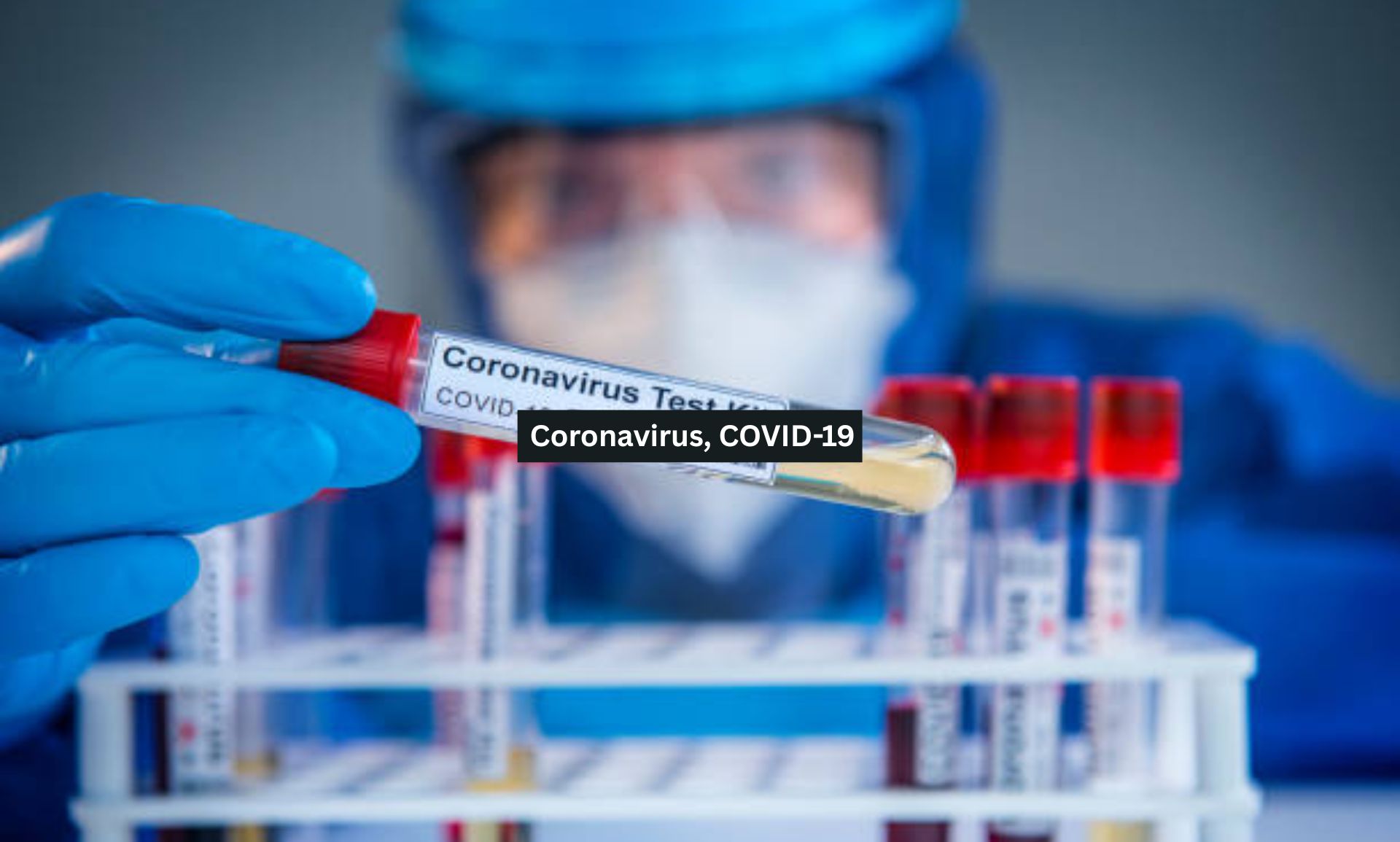
COVID-19 is analyzed with a research facility test. Your healthcare supplier may collect a test of your spit or swab your nose or throat to send for testing.
When Ought to I Be Tried for the Coronavirus (COVID-19)?
Call your healthcare supplier if you:
- Feel debilitated with fever, hack or have trouble breathing
- Have been in near contact with a individual known or suspected to have COVID-19
Your healthcare supplier will inquire you questions around your side effects and tell you if you require to be tried for COVID-19.